
Embodied AI Research Areas


Autonomous Exploration, SLAM & Localization
Develops navigation systems that let autonomous agents explore unfamiliar environments, construct spatial representations, localize themselves, search for objects, and plan movement under embedded-resource constraints.
Paper 3: Efficient Neural Mapping for Localisation of Unmanned Ground Vehicles


Vision-Guided Perception, Manipulation & Grasping
Focuses on visual grounding, object understanding, distance estimation, grasp selection, and manipulation so embodied agents can interact reliably with objects and physical environments.
Paper 1: MVB-Grasp: Minimum-Volume-Box Filtering of Diffusion-based Grasps for Frontal Manipulation
Paper 2: GroundCount: Grounding Vision-Language Models with Object Detection for Hallucination-Free Counting


Brain-Controlled Assistive Robotics
Builds non-invasive neuro-driven assistive systems that translate EEG signals and voice commands into real-time prosthetic control, with emphasis on embedded operation, responsiveness, and accessibility.
Paper 2: CognitiveArm: Enabling Real-Time EEG-Controlled Prosthetic Arm Using Embodied Machine Learning
Paper 3: MindArm: Mechanized Intelligent Non-Invasive Neuro-Driven Prosthetic Arm System


Adaptive Locomotion & Continual Autonomy
Investigates learning methods that help physical agents adapt their locomotion and behavior as environments and tasks change, including reinforcement learning, continual learning, and efficient autonomous-system architectures.
Paper 1: CuriousRL: Curiosity-Driven Reinforcement Learning for Adaptive Locomotion in Quadruped Robots
Paper 2: Continual Learning for Real-World Autonomous Systems: Algorithms, Challenges and Frameworks
Paper 3: TinyCL: An Efficient Hardware Architecture for Continual Learning on Autonomous Systems


Robust & Safe Autonomous Systems
Studies safety, security, and reliability of perception pipelines used by autonomous robots and vehicles under adverse weather, adversarial patches, backdoor attacks, and other real-world disruptions.


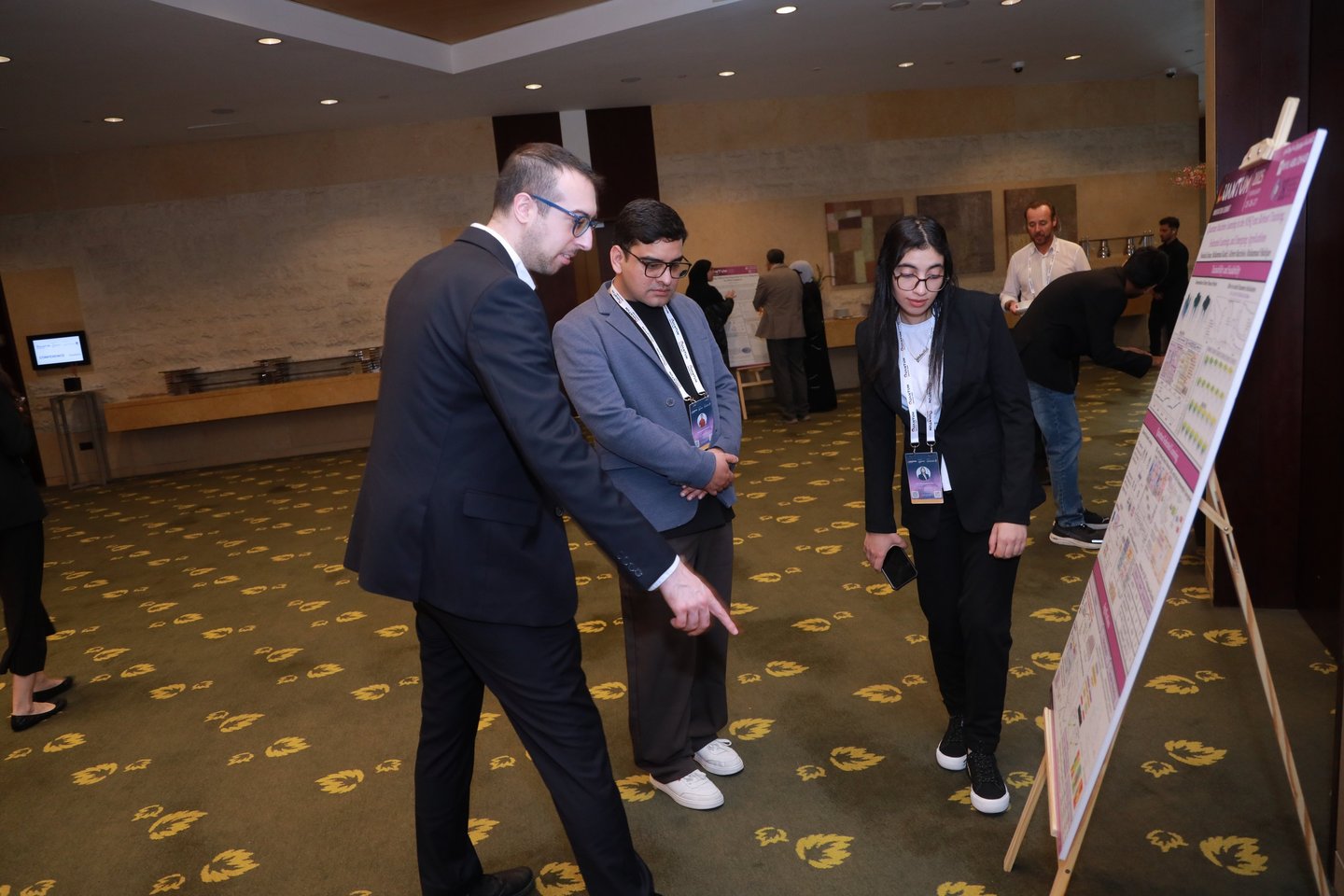
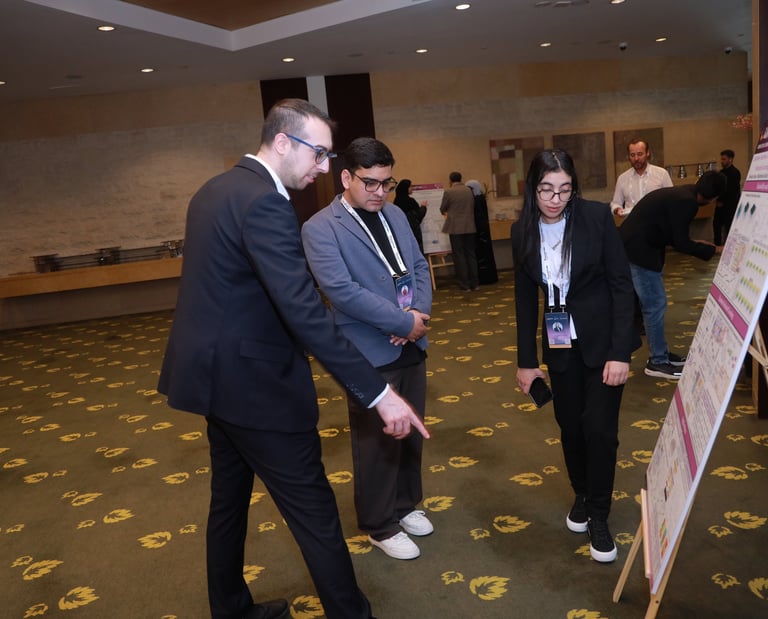
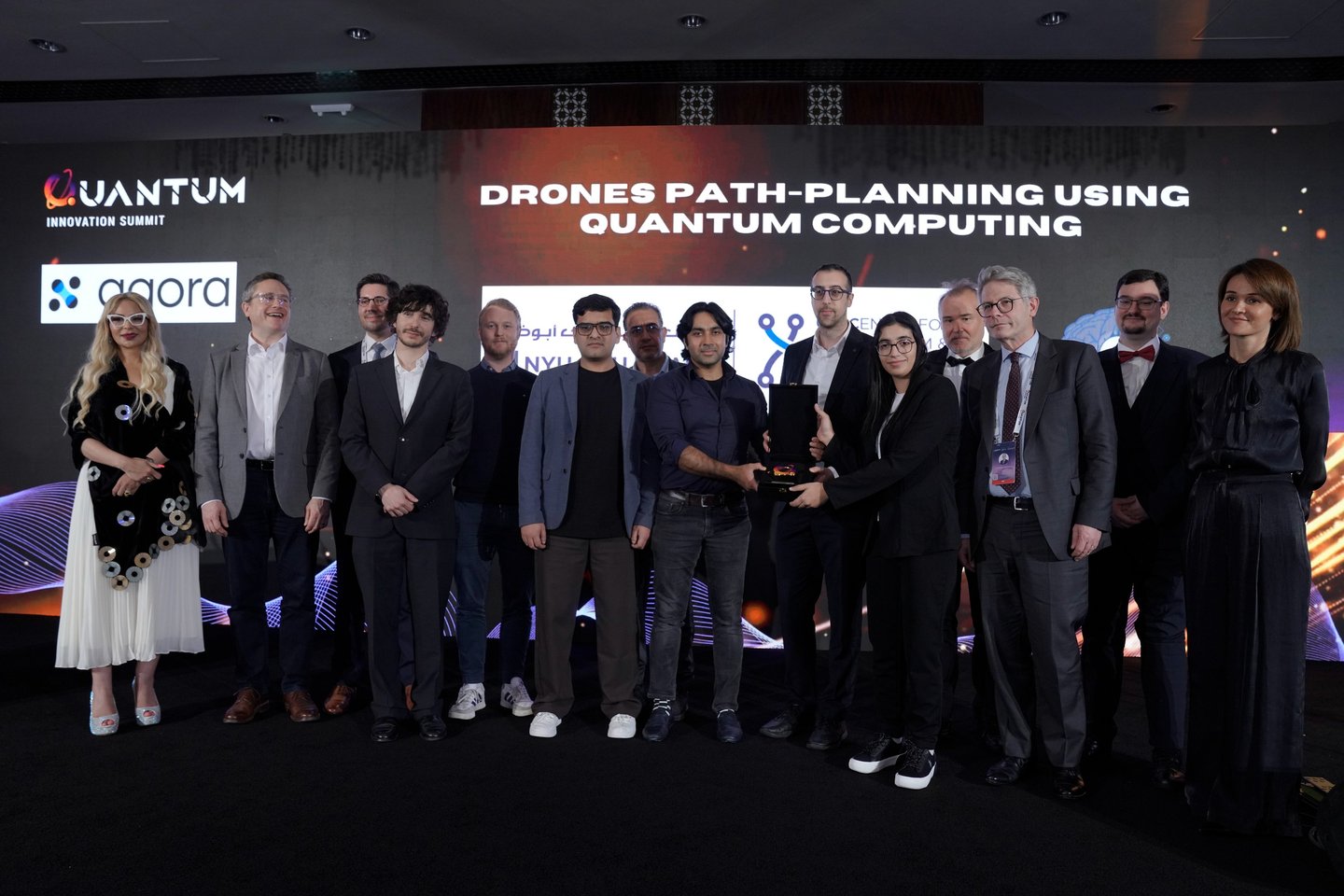
Team Achievements



© 2026 eBRAIN